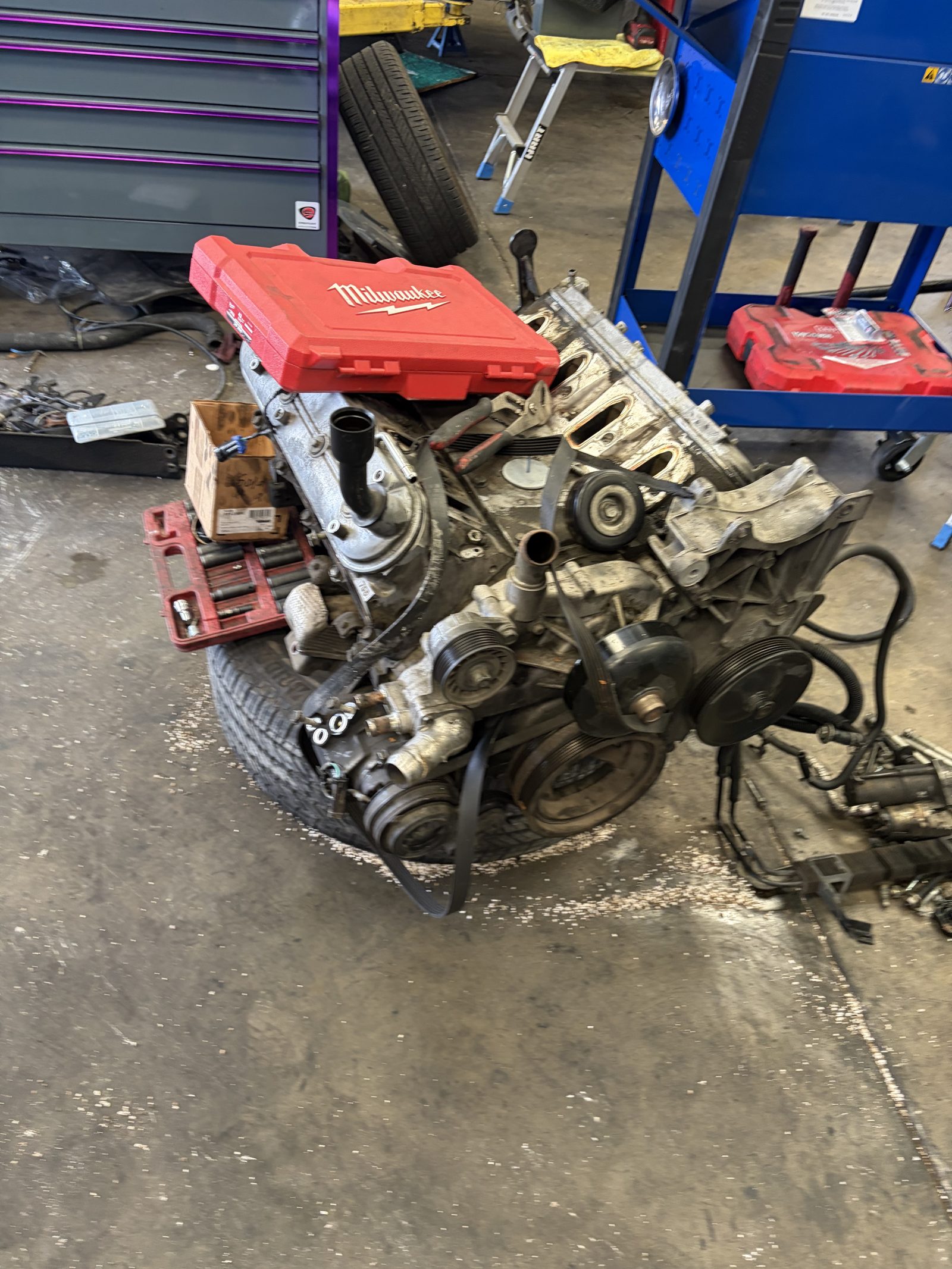
Engine oil does the quiet work of keeping a diesel engine alive. It lubricates moving parts, carries away heat, and picks up the dirt and metal particles that build up as the engine runs mile after mile. A diesel engine in a semi or trailer works harder and longer than a car engine ever does, hauling loads through all kinds of weather and terrain around Knob Noster and the surrounding roads. That workload breaks oil down faster than people expect. Skip an oil change too long and the oil stops doing its job. Once that happens, the wear that should get caught in the filter starts hitting the engine itself, grinding away at bearings and cylinder walls instead of getting trapped and drained out.
Signs Your Engine Needs an Oil Change
- Oil change light or maintenance reminder on the dash
- Engine sounds louder or more ticky than usual
- Oil looks dark and gritty on the dipstick
- It has been a while since the last service
- Engine runs hotter than normal
- Exhaust smoke has a noticeably different smell or color
The signs that oil is overdue are not always dramatic. A maintenance light on the dash is the clearest signal, but plenty of trucks never get checked until something sounds off. A louder or tickier engine note, oil that looks dark and gritty when you pull the dipstick, or an engine that runs hotter than it used to can all point to oil that has lost its ability to lubricate and cool properly. If you cannot remember the last time the oil was changed on a truck or trailer engine, treat that as a warning sign by itself. Waiting on an oil change rarely saves time once wear starts showing up in other parts of the engine.
Before we touch anything, we check the oil level and look closely at its condition, since color and texture tell us a lot about how an engine has been running. We look for leaks around the oil pan and filter housing, since a slow leak can hide until oil level drops low enough to cause damage. We also check the air and fuel filters while we are already under the truck, because a dirty filter is easier to catch during an oil change than after it causes a performance problem. Catching a small leak or a clogged filter early saves the engine from working harder than it needs to on the next long haul out of Knob Noster.
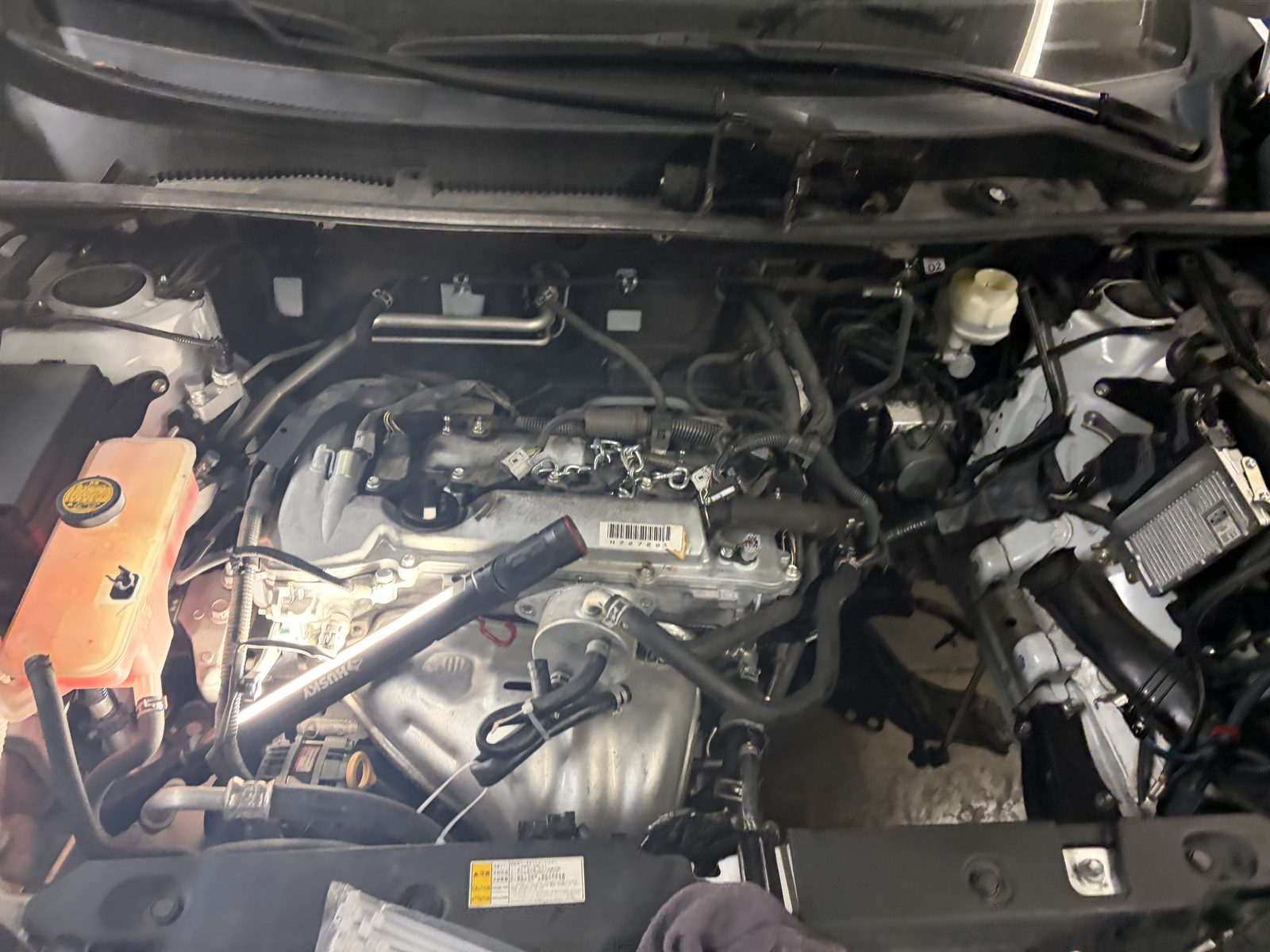

The actual job is straightforward once we get started. We drain the old oil completely, replace the oil filter, and refill the engine with oil matched to that specific engine's needs, since diesel engines are particular about oil type and weight. Once it is running again, we check for leaks around the new filter and pan plug to make sure everything is sealed properly. While the hood is up, we also check fluid levels in other systems, like coolant and transmission fluid, since it is an easy moment to catch something running low before it turns into a bigger issue on the road between Grover and La Monte.
What changes the size of an oil change job is mostly how many filters need replacing and whether we find any leaks that need addressing. A straightforward oil and filter change does not take much. If we find a leaking gasket, a cracked seal, or a filter housing that is not sealing right, that adds work to the job since those issues need fixing before they get worse. Trailers with auxiliary engines, like the ones running refrigeration units for cold freight, sometimes need their own separate oil service on top of the main truck engine. Keeping both systems maintained matters just as much for a trailer hauling through Sweet Springs or Emma.
Suspension, steering, brakes, and electrical systems all depend on an engine that is running clean and properly lubricated, so an oil change is not an isolated task. It is one piece of keeping the whole truck or trailer dependable on long routes through Houstonia, Montserrat, and Simpson. Neglecting oil service puts extra strain on an engine that is already working against heavy loads and long hours, and that strain eventually shows up in other systems too. Treating oil changes as routine upkeep, rather than something to put off, keeps small problems from turning into expensive engine repairs down the line.
Until we get out there, keep an eye on the oil level if you can check it safely, especially before a long haul. Low oil combined with hard highway miles is a rough combination for any diesel engine, since there is less oil available to lubricate and cool parts that are working under heavy load. If the oil light comes on while driving, the better move is to pull over and shut the engine down rather than keep pushing miles on low oil. A few extra minutes stopped on the shoulder near Knob Noster is a lot cheaper than the damage from running an engine dry.
What to Tell Us When You Call
- Year, make, and model of the truck
- Engine type if you know it
- When the last oil change was done
- Your location for the service
 Supercanic