
Electrical systems on trucks and trailers do more work than most drivers think about. They start the engine, run the lights, power the gauges, and keep everything talking to everything else. Wiring, connectors, the battery, alternator, and starter all have to work together as one system. When one piece fails, it rarely stays quiet about it, but it also rarely points straight at the real cause. A bad ground somewhere under the dash can look like a dying battery. A worn connector in a trailer harness can look like a bad light. That is what makes electrical repair some of the trickiest work to get right without actually testing the system piece by piece instead of guessing at parts.
Signs You Have an Electrical Problem
- Truck clicks but will not crank
- Dash lights flicker or dim
- Trailer lights cut out or flash wrong
- Battery keeps dying overnight
- Burning smell near the dash or engine bay
- Gauges act erratic or stop working
A click but no crank usually points to the battery, the starter, or a bad connection somewhere between them. Flickering lights or a battery that keeps dying overnight can mean a failing alternator that is not keeping up with the load, or it can mean a parasitic draw pulling power even when the truck is off. Trailer lights that cut out on the road often trace back to corroded connectors or a wiring harness that has worn through from rubbing against the frame and years of road grime working into the insulation. Each of these symptoms can look similar from the driver's seat, but they come from different parts of the system, which is why testing matters more than swapping parts and hoping.
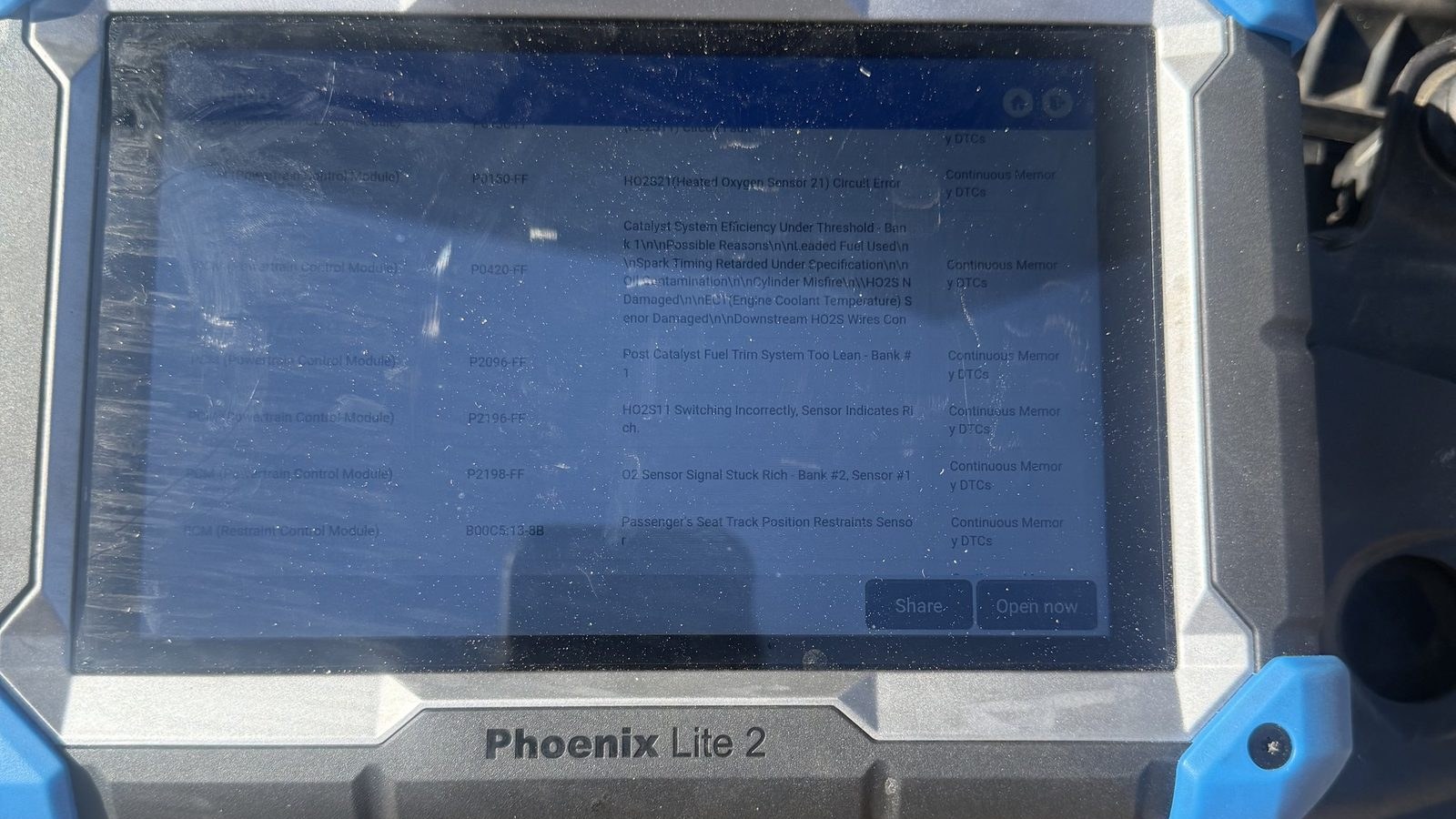
We do not just swap the battery and hope the problem goes away. We test battery voltage and load to see if it is holding charge the way it should. We check alternator output to confirm it is actually charging the system at the right rate. We trace wiring with a multimeter section by section, and we inspect connectors for corrosion, looseness, or damage that would cause resistance or a dropped connection. This step by step process tells us whether the real problem is the part itself, the wiring that feeds it, or a bad ground that is starving the whole circuit. Knowing which one it is matters a lot, because fixing the wrong piece just means the same electrical problem comes back.
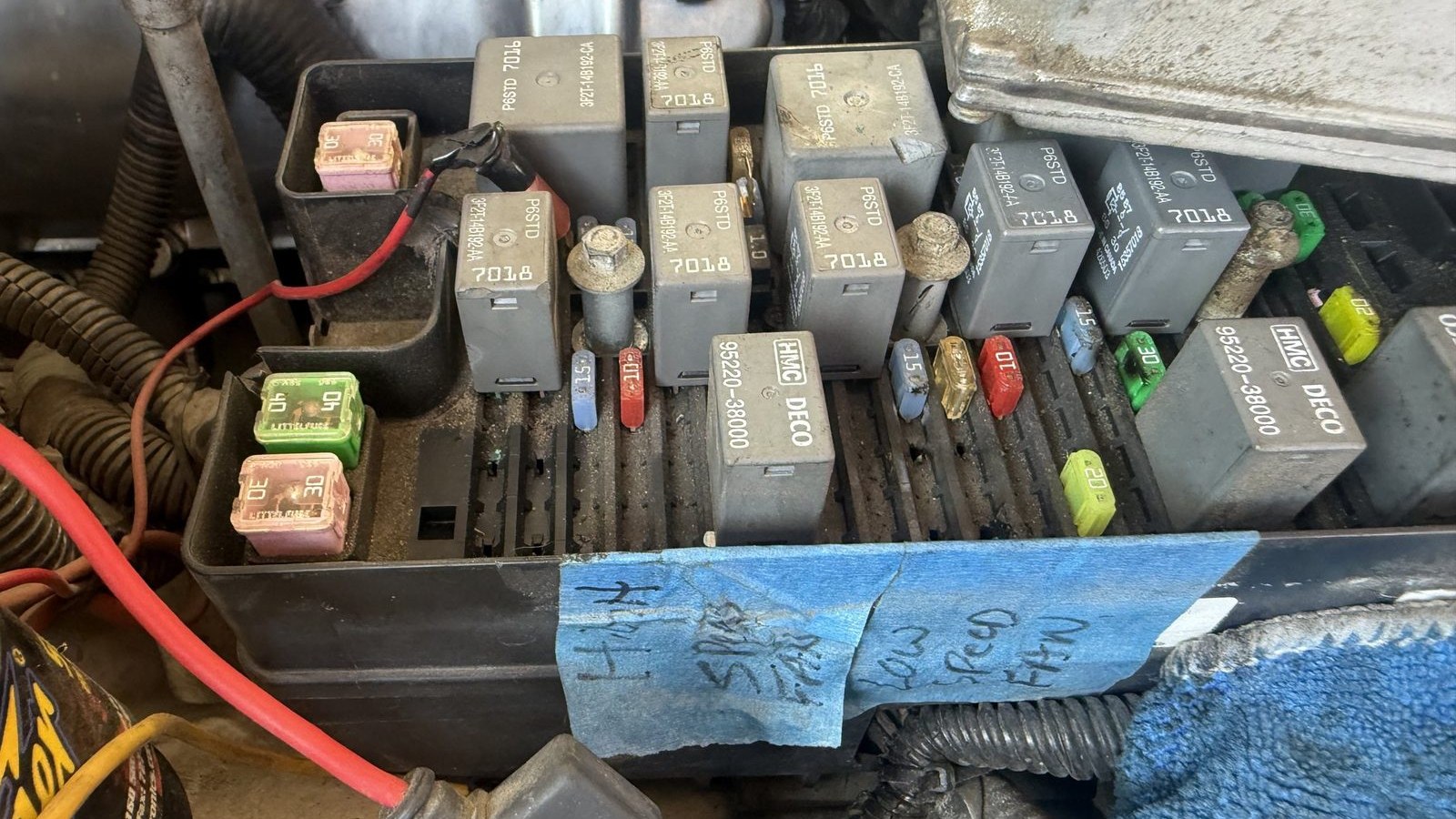

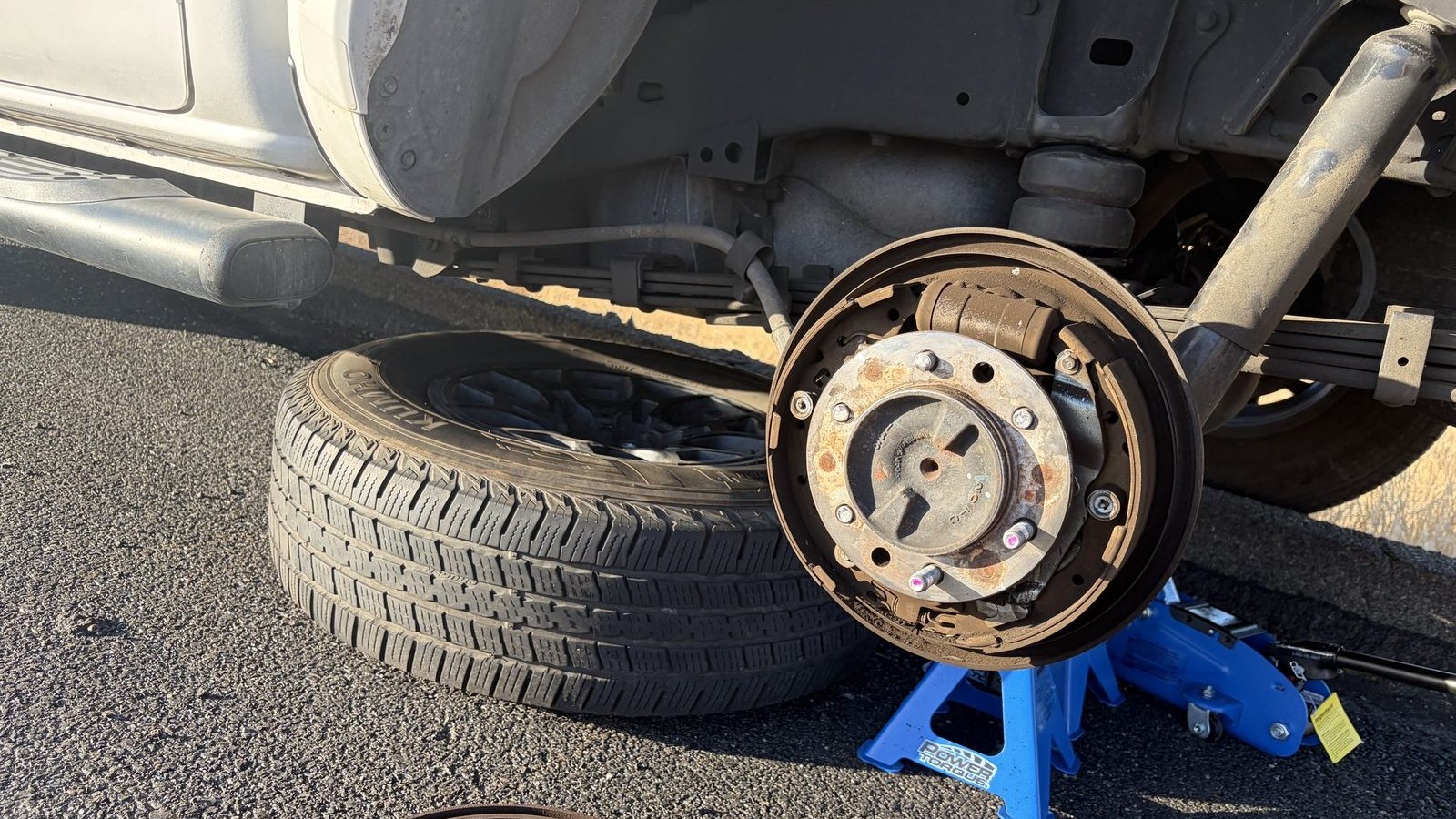
Once we know the actual cause, the repair matches it instead of guessing. A bad battery or alternator gets replaced and then tested under load to confirm it is actually fixing the problem, not just masking it for a few days. A wiring issue means tracing the full circuit, finding the exact break or short, and repairing or replacing that section of harness rather than the whole run. Trailer light problems often come down to cleaning or replacing corroded connectors and checking the ground wire, since a bad ground is one of the most common failure points in trailer electrical systems and gets overlooked more than it should.
What changes the size of the job is whether this is a single part failure or a wiring issue buried somewhere in the harness. A battery or alternator swap is a straightforward job once testing confirms that is the actual cause. A short hiding somewhere in a trailer harness, or tucked up under the dash where you cannot see it, takes longer to track down. We have to test the circuit piece by piece, checking voltage drop and continuity at each connection, until we find the exact spot where the circuit fails. That kind of tracing takes patience, but it is the only way to actually fix it instead of chasing the same fault again next month.
Until the electrical issue is fixed, avoid running extra accessories that draw more power than the system can comfortably handle, since that adds load to a circuit that may already be struggling. Do not ignore flickering lights or a slow crank in the morning, because those symptoms tend to get worse over time, not better, and they can leave you stranded somewhere with no warning. A slow crank today is often a dead battery tomorrow. If you ever smell burning, from wiring or anywhere else in the truck, shut it off right away and do not keep driving it, since that smell usually means something is overheating or arcing.
Electrical problems do not fix themselves, and they rarely stay small if you keep driving on them. Call us and describe exactly what you are seeing, whether it is a slow crank, flickering dash lights, trailer lights cutting in and out, or a smell you cannot explain. That description helps us know what to check first when we get to your truck or trailer in Knob Noster or out around Sweet Springs, La Monte, and the surrounding area. The more specific you can be about when it happens, whether it is constant or comes and goes, the faster we can narrow down where in the system the fault actually lives.
What to Tell Us When You Call
- Year, make, and model of the truck or trailer
- What the electrical system is doing, like clicking or flickering
- Whether it happens all the time or only sometimes
- Any recent work done on the battery or wiring
 Supercanic