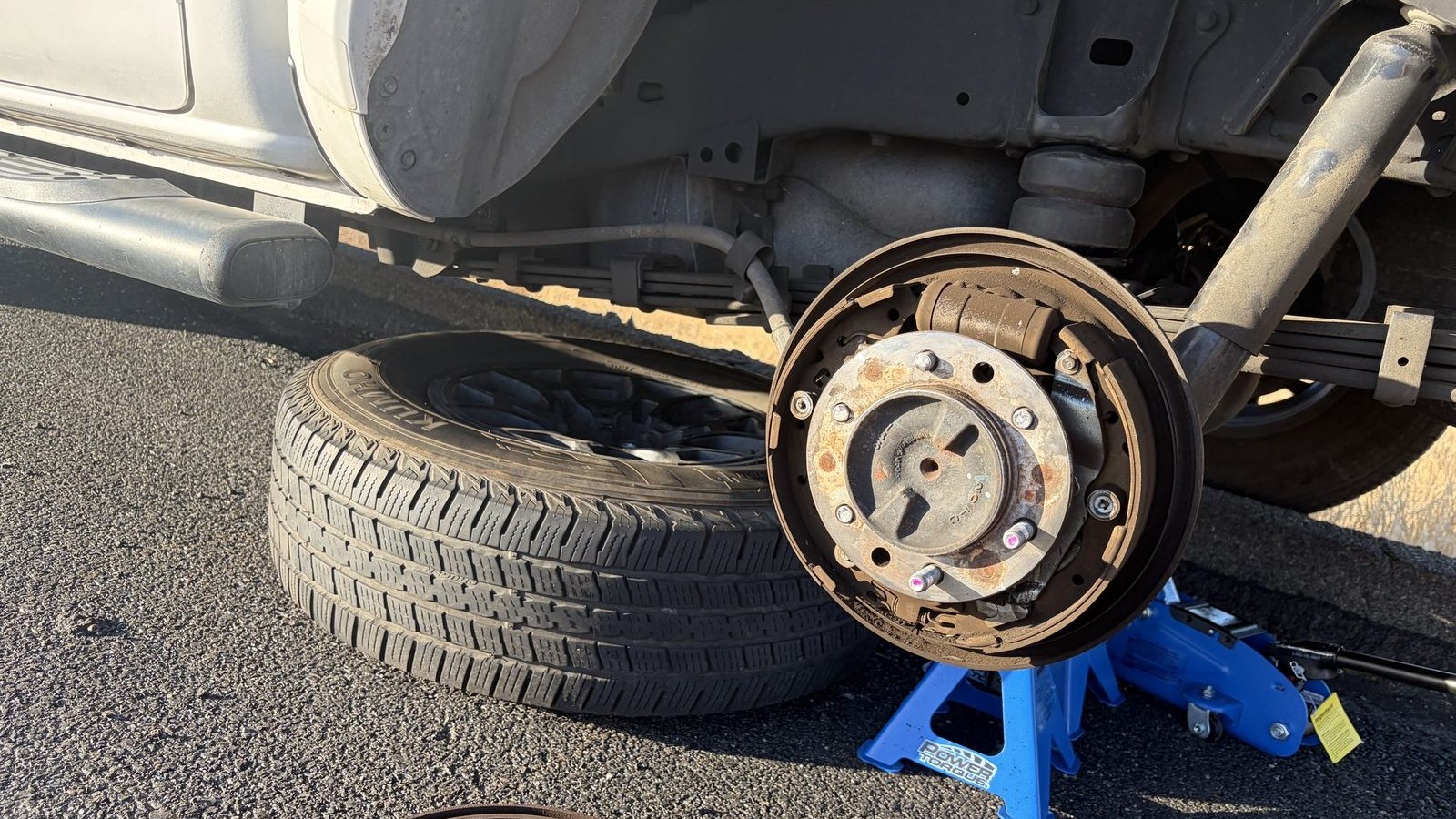
Drivers around Grover call us for a mix of problems, and most of them have been driving for a while before they finally pick up the phone. A trailer that's grinding when it brakes. A truck that clicks but won't crank after sitting overnight. Heating or A/C that quits working mid route, which is its own kind of misery depending on the season. Some calls start with a dash light that won't go off, or a gauge acting strange for no clear reason. We take the call as it comes, no need to diagnose it yourself first or guess at what part is bad. Just tell us what you're hearing, seeing, or not getting, and let us sort out the rest once we're standing in front of the truck looking at it ourselves, checking the obvious things first before digging deeper.
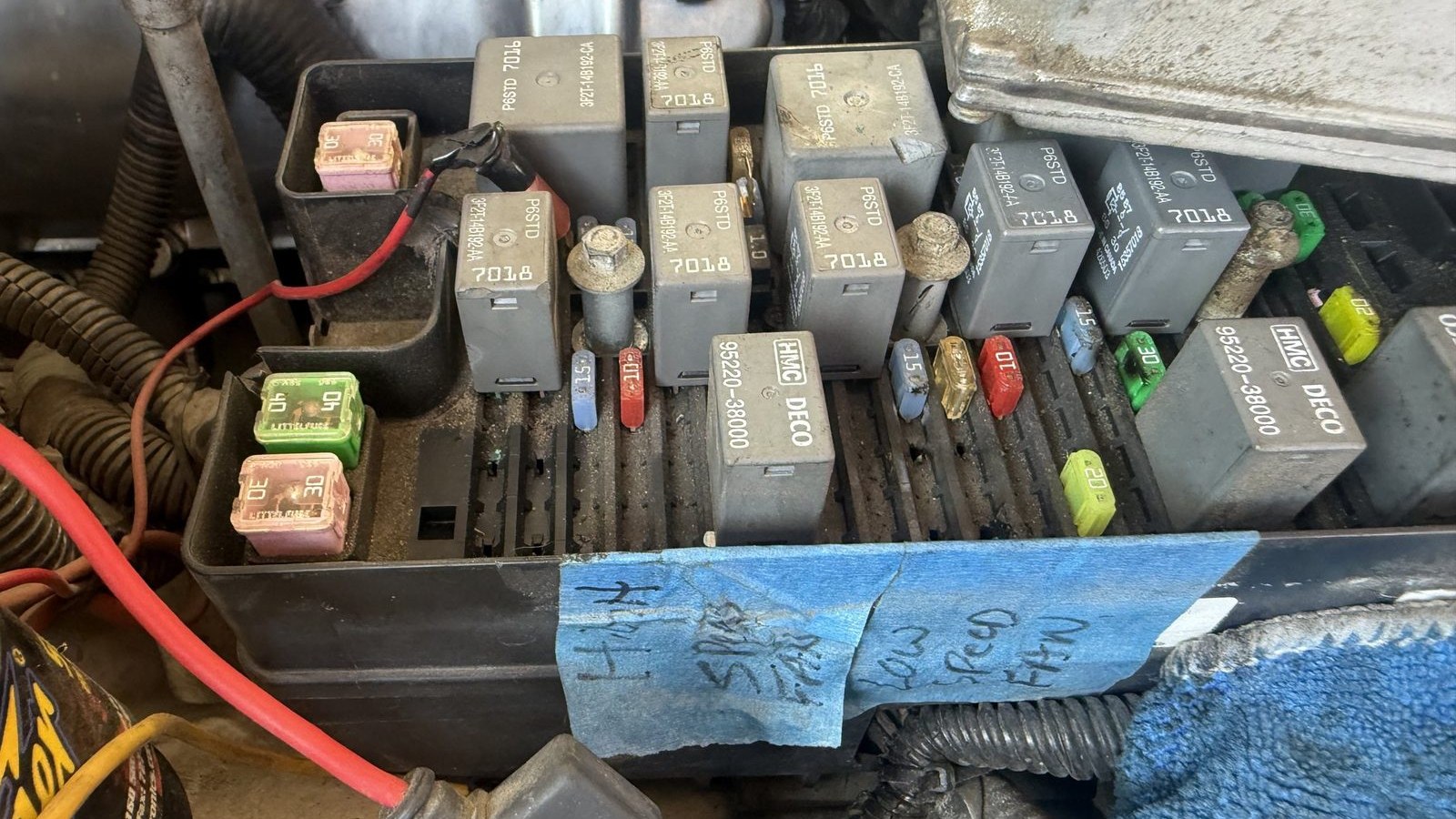
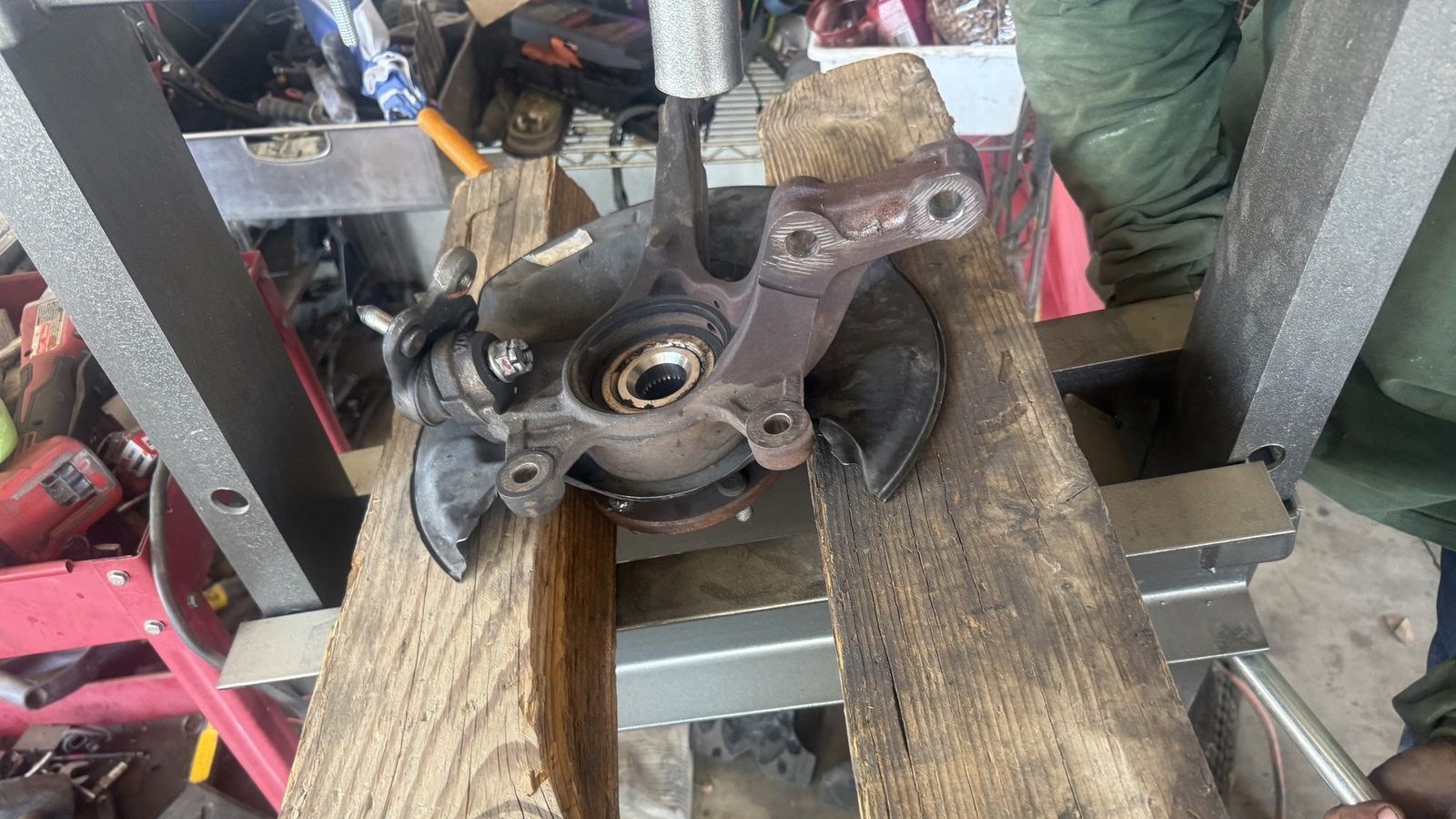
The work we do most out this way includes brake service, engine diagnostics, and suspension and steering repairs, plus oil changes and electrical troubleshooting. Semis and trailers running through Grover put a lot of miles on brakes and suspension parts, so those are common fixes, especially on rigs that haul heavy or run the same routes day after day. Brakes wear from heat and friction every time they're used, and heavier loads mean more heat built up with every stop. Suspension components take a beating from rough roads and constant load shifts, which loosens bushings and wears out bearings over time. Electrical problems tend to show up as warning lights, dim gauges, or a battery that won't hold charge, usually pointing to a bad connection, a failing alternator, or a parasitic drain somewhere in the system. We bring what we need to handle it on site instead of sending you somewhere else to wait.

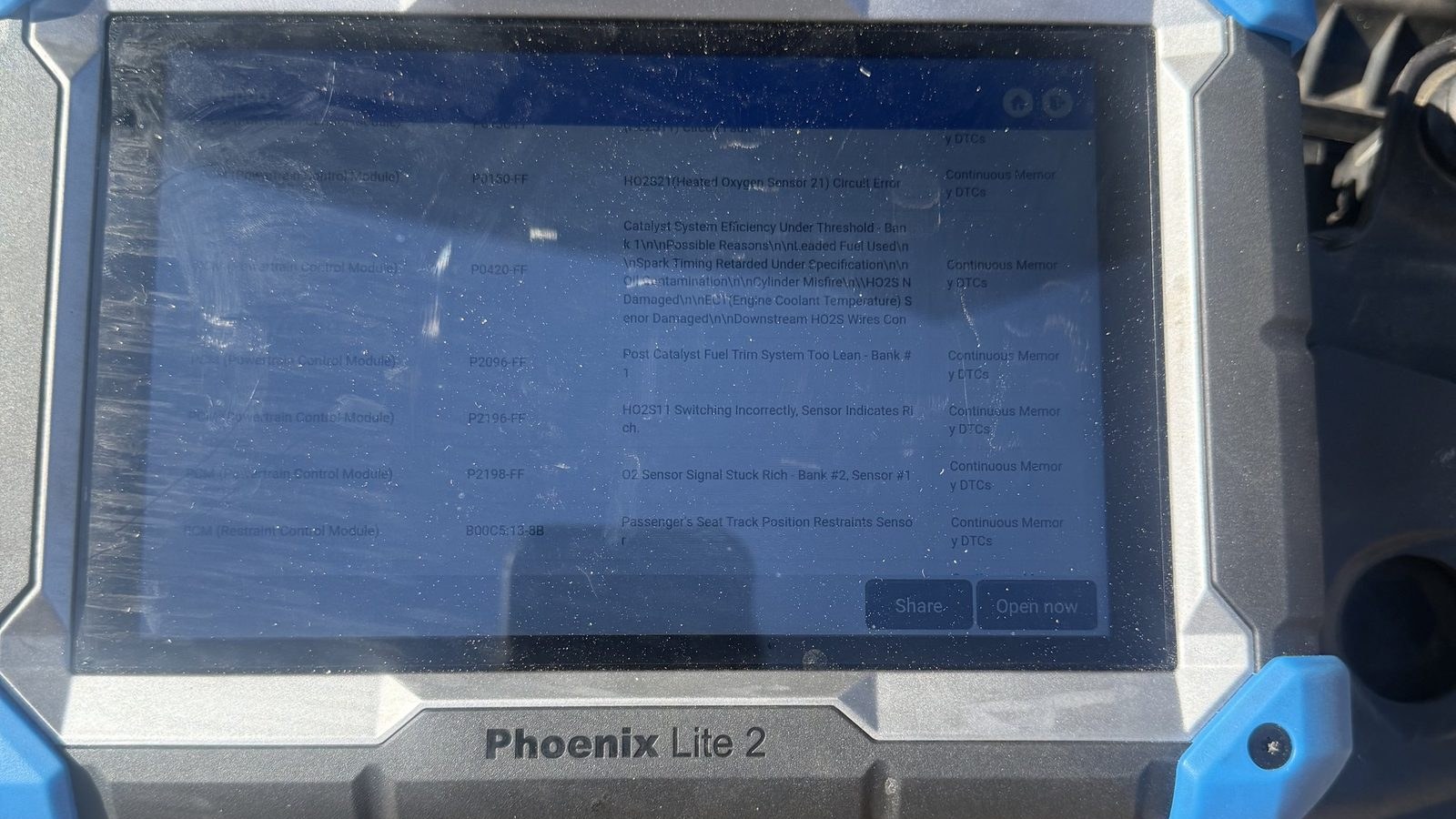
Since this is mobile repair, we meet the truck where it is, a yard, a job site, or stopped on the road with the hazards on. There's no need to get the rig to a shop, which matters a lot when the rig is the problem and can't be driven anyway. A truck with a grinding brake or a dead electrical system shouldn't be pushed any farther than it already went, since a small issue left alone can turn into a bigger failure fast. Grinding brakes mean metal on metal, and that wears down rotors or drums that cost more to fix the longer it runs. We ask for the location when you call and head there once we know what we're dealing with, bringing tools and parts suited to the kind of repair you've described.
The process starts with a call. You describe the problem and where the truck is sitting, whether that's a gravel lot, a loading dock, or the shoulder of a county road. We ask a few follow up questions about the rig and the symptom, things like when it started, whether it's gotten worse, and what the truck was doing right before it happened, since that timeline often points straight at the cause. A noise that only happens under braking points one direction, while one that shows up over bumps points another. Then we head out to diagnose and fix it in the field, working through the likely causes one at a time instead of guessing. You're kept in the loop on what we find before any work moves forward, so you know what's being done and why before it happens.
When you call, have the location nailed down and be ready to describe what's wrong, grinding, a dead battery, a warning light, whatever it is. The more specific you can be, the faster we can narrow down what's going on before we even arrive, since symptoms often rule out several causes right away. If you know the truck's make or trailer type, that helps too, since parts and procedures vary quite a bit between rigs, and brake and electrical systems are not built the same across every manufacturer. We work from what you tell us to get a head start, pulling together the right tools and parts based on your description so we're not standing around figuring it out once we're already on site, which keeps the visit focused on fixing the problem instead of hunting for gear.
Grover drivers choose us because we specialize in semis and trailers, not general car repair, and that focus shapes how we work. Heavy trucks have different brake systems, different suspension setups, and different electrical demands than a passenger car, running higher voltage systems and air brake components that need their own kind of attention. Treating them the same way a shop treats a sedan leads to problems down the road, missed issues, or repairs that do not hold up under the weight these rigs carry. We're running 24 hours a day, all week, so a breakdown doesn't have to wait until morning or sit until someone's schedule opens up. Reviews mention trucks and getting jobs handled, which lines up with what we focus on day to day, out in the field working on the rigs that keep freight moving through this part of Missouri.
Trucks and trailers around Grover cover a lot of ground, and that kind of use wears parts down in predictable ways. Oil breaks down and picks up grit the longer it runs between changes, which is why regular oil changes matter as much on a semi as they do on any engine, maybe more given the miles involved. Heating and A/C systems rely on a sealed loop of refrigerant and a handful of moving parts, so a slow leak or a failing compressor can take the system down gradually before it quits outright. Steering components wear from constant vibration and load, showing up as looseness in the wheel or a pull to one side. Knowing what to watch for, a new noise, a slower response, a gauge that creeps, gives you a chance to call before the problem strands the rig somewhere with no good place to stop.

 Supercanic