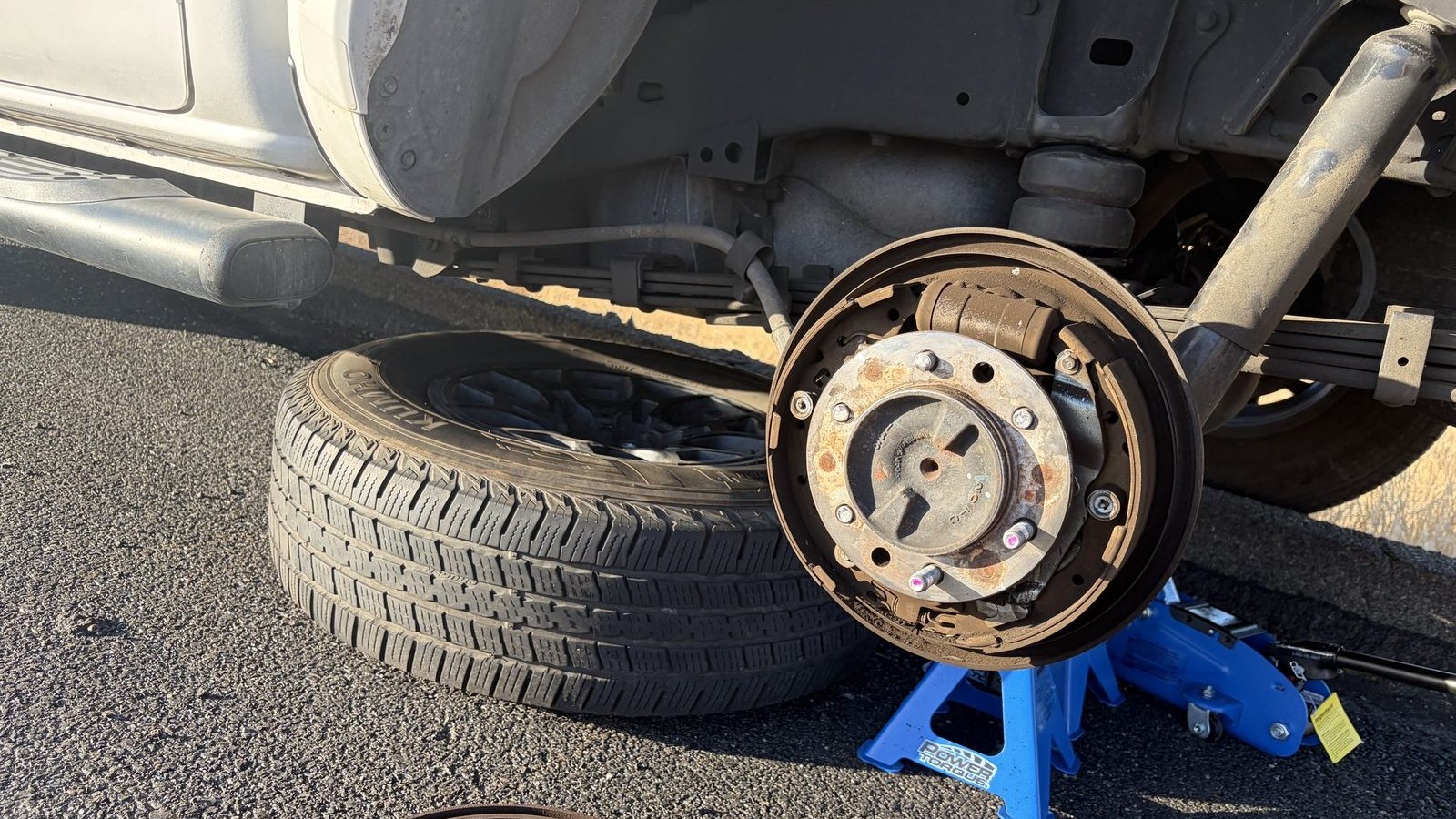
Most calls we get from Houstonia start with something simple sounding that turns out to matter a lot. A pickup that cranks slow in the cold. A trailer brake that locks up or won't release. A dash light nobody can explain. These small symptoms are usually the truck telling you something bigger is building underneath. We handle brake service, engine diagnostics, and electrical work on trucks and trailers, and we start by asking what you're seeing and hearing, not guessing. A brake that grabs on one side might mean a stuck caliper or worn pad. A slow crank in cold weather can point to a weak battery, corroded cable, or a starter on its way out. Getting the real story from the driver first saves time once we're on site looking at the actual problem.
Out here, oil changes and routine maintenance are what keep a work truck from turning into a breakdown later. Dirty oil loses its ability to protect moving parts, and a truck pulling loads or running long distances puts more stress on the engine than most driving ever will. Drivers in Houstonia call us before a trip, not just after something fails, because catching a problem in the driveway is a lot easier than catching it on the shoulder of a highway. We also get calls for suspension and steering trouble, a truck that pulls to one side or clunks over bumps, which often means worn bushings, a bad tie rod, or uneven tire wear nobody noticed yet. And we handle heating and A/C when the cab is either an oven or a freezer, neither of which is acceptable on a long haul where you're stuck in that cab for hours at a time.

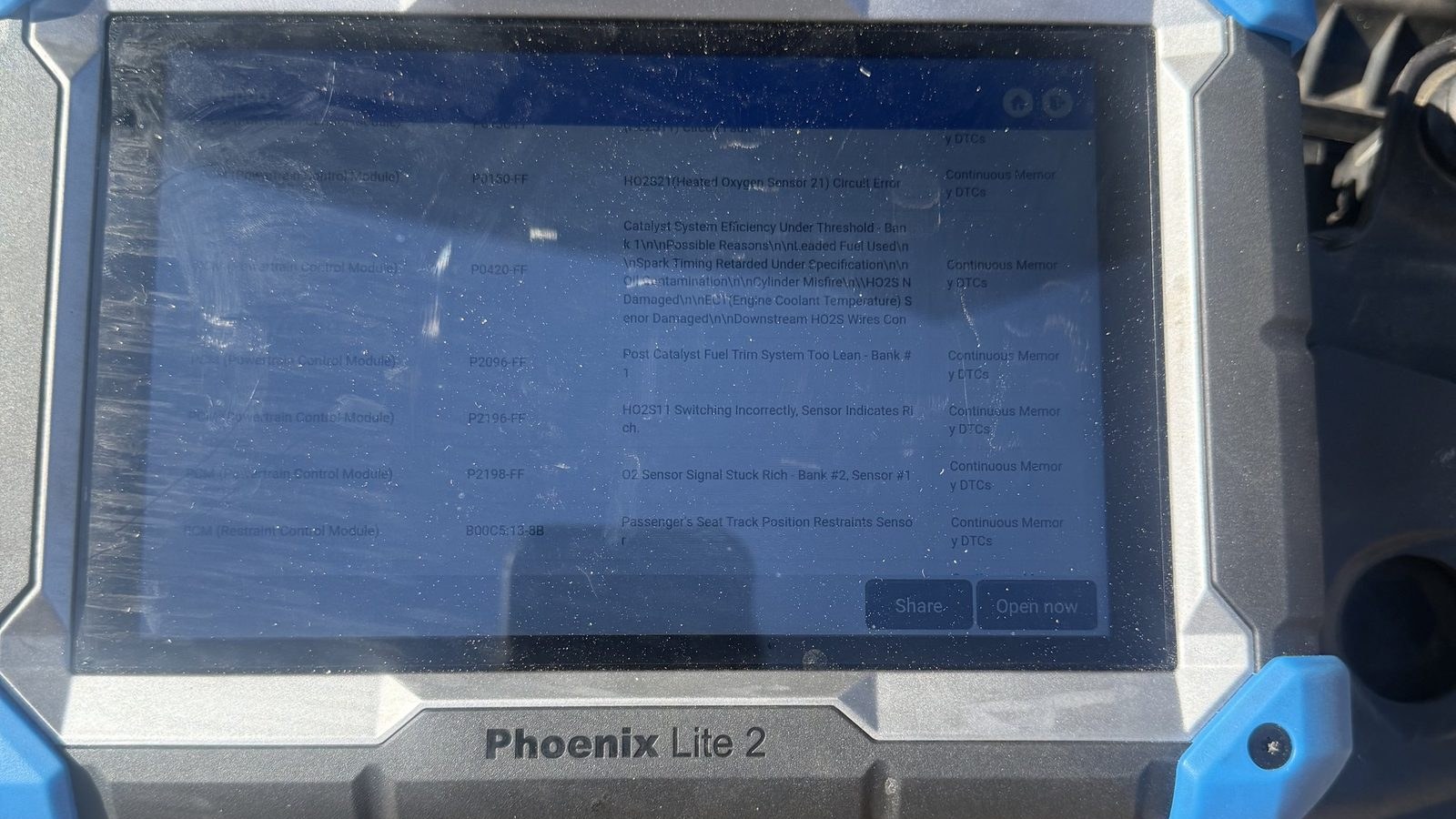
Since we're a mobile operation, we come to you. That might mean your driveway, a job site, a farm lot, or the shoulder of the road if that's where the truck stopped rolling. We don't need a shop bay to get to work. Our setup is built to handle diagnostics and repair work wherever the truck happens to be sitting, which matters a lot when the truck itself is the thing that can't move. For Houstonia drivers that means less time figuring out how to get a disabled truck or trailer somewhere else, less time on the phone with a tow company, and less time standing around waiting. We're already set up to meet you with the tools and parts most of these jobs call for, so the truck doesn't have to go anywhere to get looked at.
A job usually starts with a phone call. You tell us where you are and what the truck or trailer is doing, we ask a few questions to understand what we're dealing with, and we head out from there. Diagnosis comes first, before any parts get touched, because guessing at a fix on a truck or trailer wastes time and sometimes money on parts that were never the real problem. Once we know what's actually wrong, we move into the repair itself, whether that's a brake job, an electrical fix, or sorting out a steering issue that's been getting worse for weeks. We keep you in the loop on what we find before we just start replacing parts, so you know what you're dealing with and why we're doing what we're doing to the truck.
When you call +1660-312-6110, have the basics ready: where the truck or trailer is sitting, what it's doing or not doing, and any warning lights or noises you've noticed lately. A grinding sound under braking tells us something different than a soft pedal that sinks to the floor. A clicking sound when you turn the key is a different problem than one that cranks slow and dies. If it's a semi and trailer combo, let us know which part is acting up, since trailer electrical and brake systems are a separate animal from what's going on up in the cab. The more specific you can be about what you're noticing, the faster we can figure out what tools and parts to load up before we ever leave for Houstonia.
Drivers around Houstonia choose us because we're set up for trucks and trailers specifically, not just passenger cars that happen to be bigger. Semi and trailer systems run on different parts, different air brake setups, and different wiring than a standard pickup, and working on them takes familiarity with how those systems are built. We also work on a schedule that matches how trucking actually runs, which doesn't stop at five o'clock or wait for Monday morning. Being open 24 hours every day matters when a truck breaks down at 2am on a Tuesday instead of during business hours, because a truck sitting idle is a truck not making money, and a trailer stuck somewhere with a bad brake is a safety problem that shouldn't wait for sunrise.
Trucks and trailers take a different kind of wear than regular vehicles, and it shows up in different places first. Brakes work harder under load, suspension components take a beating from miles and weight, and electrical systems carry more wiring and more connections that can corrode or loosen over time. Heating and cooling systems in a cab matter more than people think, since a driver stuck in bad temperatures for hours is a driver who's tired and distracted behind the wheel. Routine checks on these systems catch small issues, a loose connection, a worn pad, a hose starting to crack, before they turn into a truck parked on the side of a road in Houstonia or anywhere between here and the next stop. That's the real value of catching things early instead of waiting for something to fail outright.

 Supercanic